

By Chairman and Chief Executive Officer Marc S. Cooper
Following the 2026 Cannes Lions International Festival of Creativity, I spoke with Solomon’s Head of Media & Entertainment Mark Boidman about the event, including the firm’s first Cannes summit convening senior executives for candid conversations, curated meetings, and networking.
Mark, Solomon has attended Cannes Lions for more than a decade, but this year felt different. What stood out?
This year was a milestone for Solomon. We have attended Cannes Lions since 2014, but 2026 marked our first networking and content activation in France, bringing together senior leaders from roughly 100 companies across media, entertainment, technology, consumer retail, healthcare, and infrastructure.
The week reinforced that Cannes remains one of the world’s strongest environments for ideas, relationships, and deal momentum. When that caliber of executives is together, conversations become more strategic, more candid, and more actionable. For Solomon, it also underscored what we have long believed: across out of home media, entertainment, and adjacent sectors, few investment banks combine our market leadership, relationships, and visibility in the same way.
You’ve described Cannes as a place where ideas are created, even if deals are not necessarily signed there. Why is it so valuable from an advisory perspective?
The concentration of decision-makers is unlike anything else. Almost every CEO, founder, investor, brand executive, media company, and technology leader who matters to this ecosystem is there.
A transaction may take months to complete, but the conversations that shape it often begin in environments like Cannes. It is a chance to test ideas, identify partners or acquirers, understand where industries are headed, and strengthen relationships. As advisors, that is incredibly valuable. We can help clients consider opportunities they may not have seen and gain real-time insight into how leaders are thinking about growth, investment, and M&A.
One theme from Solomon’s events was continued demand for in-real-life, or IRL, experiences. Why is that resonating?
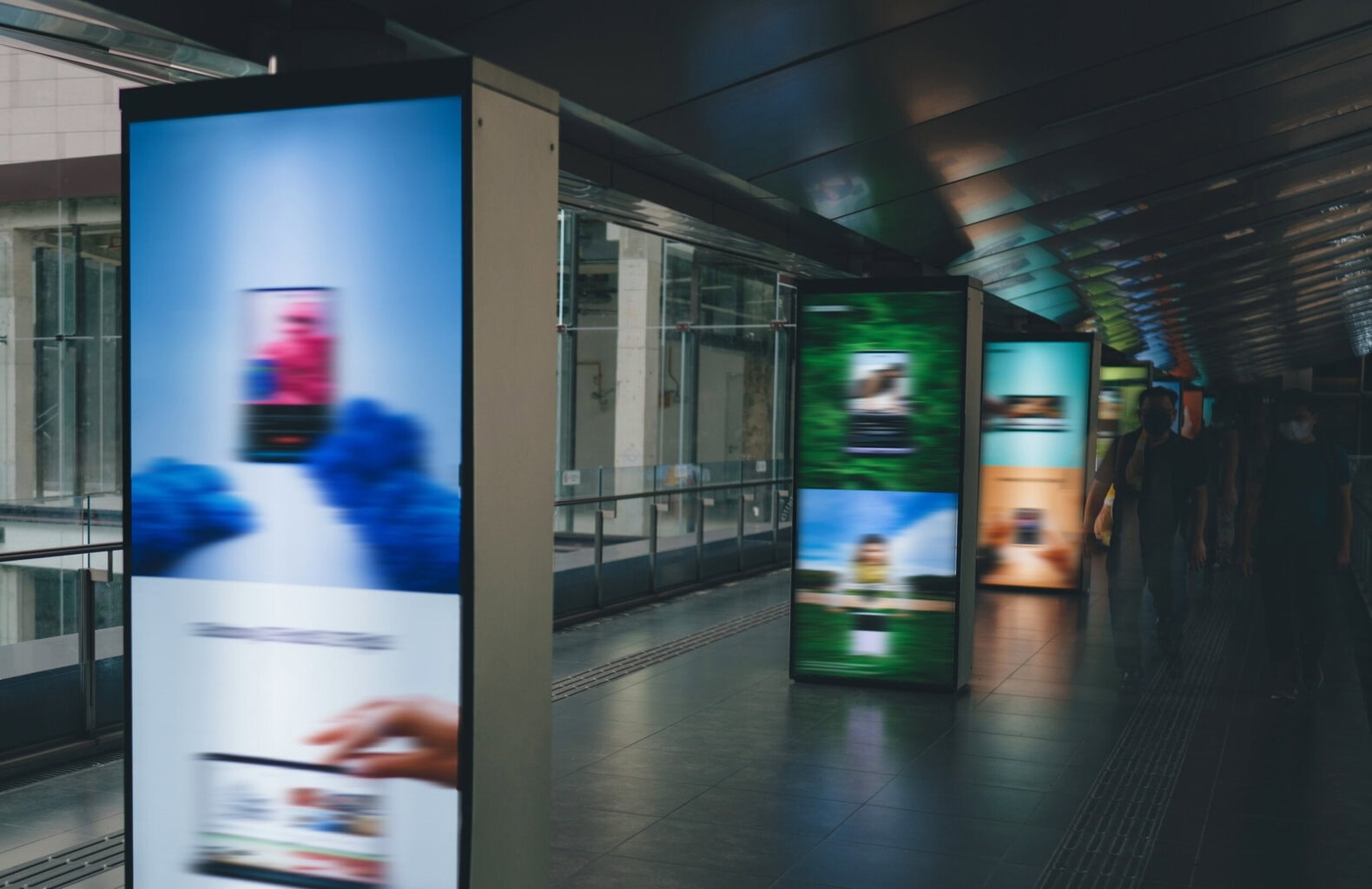
People increasingly want authentic, physical experiences. As more of life moves online, the value of real-world engagement grows. That is creating tailwinds for sectors such as out of home media, live entertainment, and experiential marketing, where consumers engage in ways that are hard to replicate digitally. My colleague Consumer Retail Co-Head Jeff Derman talked about a related trend in this Solomon Connects podcast, noting that successful brands increasingly win by giving customers something they “need or feel emotionally connected to,” emphasizing that purchasing decisions are often driven by affinity, identity, and experience. What is especially interesting is that technology is not replacing these experiences; it is making them more effective. Digital capabilities layered onto physical assets are creating new opportunities for brands, operators, and investors.
You’ve long been one of the leading voices in out of home media. Why are investors so focused on the sector today?
Out of home sits at the intersection of several powerful trends. First, it is durable: physical assets such as billboards, transit networks, and digital signage are not going away. Second, it is trusted. In a world increasingly concerned about fraud, misinformation, and synthetic content, physical media offers authenticity and visibility. Third, it is becoming much more measurable.
Historically, out of home lagged digital channels in measurement, but that gap is narrowing quickly. AI is accelerating the industry’s ability to understand audience engagement, attribution, and campaign effectiveness. Together, those factors explain why strategic buyers, private equity firms, and infrastructure investors are paying close attention.
AI was clearly one of the dominant topics at Cannes. How do you see it affecting media and entertainment?
The conversation has moved beyond efficiency and cost reduction. Companies are now asking how AI can create better outcomes. What excites me most is its potential to improve measurement, personalization, and content adaptation. Creative assets can now be resized and optimized across formats almost instantly, which reduces friction and makes it easier for advertisers to activate campaigns across channels, including out of home.
More broadly, specialized businesses with unique capabilities, proprietary data, or differentiated market positions are likely to benefit most. As with every transformative technology cycle, winners will be defined by how effectively they use the technology, not by the technology alone.
How are those trends influencing the M&A environment?
The market remains highly active. There is significant capital available and strong interest from both financial sponsors and strategic buyers. What has changed over the last year is the rising appetite from strategics. Companies across media, technology, retail, and communications are evaluating how they can strengthen capabilities, reach valuable audiences, and position themselves for an AI-enabled future.
At the same time, industries are converging in ways that would have seemed unlikely a few years ago. Companies that may not have viewed themselves as media businesses increasingly recognize the value of owning audiences, data, and advertising platforms. That creates new buyers and more strategic options for companies considering growth or liquidity events.
What surprised you most about the conversations this year?
The level of optimism and engagement. Despite broader economic uncertainty, executives were leaning into opportunity. There was a strong sense that innovation is accelerating, capital is available, and companies that move decisively can create meaningful competitive advantage. We saw that across discussions around AI, media, entertainment, retail media, digital signage, and experiential platforms.
Most importantly, leaders were willing to think bigger. That is why Cannes continues to matter: it creates space to step away from day-to-day execution and focus on where industries are going next.
As Solomon builds on the momentum from Cannes, what’s next?
We will continue leading the conversation around billboard and digital signage M&A, including retail and in-store media, while expanding our thought leadership across adjacent media and entertainment sectors. The connections and conversations from Cannes do not end when the festival closes; they create the foundation for future partnerships, transactions, and strategic initiatives.
Our goal is simple: remain the most connected and informed M&A advisor in the sectors we serve. Cannes demonstrated that we are well positioned to do exactly that.
For more insights on Cannes Lions, read Digiday’s article.